
Bestsellers
- -10%
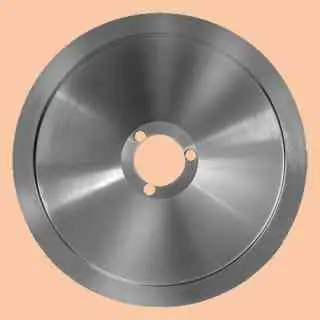
blade for slicer 250 diameter 25cm three hole central hole 40mm c45 rgv fac e
"
BLADE FOR SLICER 250 DIAMETER 25CM THREE HOLE CENTRAL HOLE 40MM C45 RGV FAC E
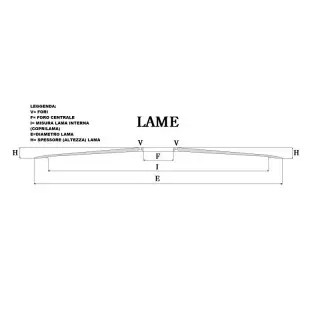
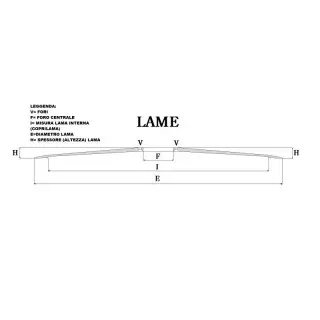
| (E) Diameter Blade | 250 | |
| (V) Number of holes | 3 | |
| (F) Dim. Central hole | 40 | |
| (H) Blade height (thickness) | 17.5 | |
| (I) Inner blade measurement (blade guard) | 210 |
VISIT THE BLOG FOR MORE INFORMATION
"
- -10%
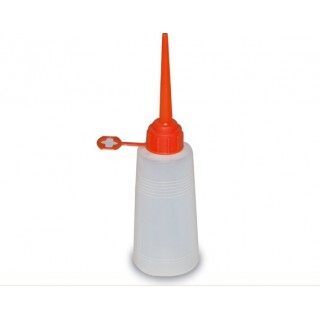
neutral white oil pack for slicers 50 ml
Food-grade neutral white oil, 50 ml, for lubricating gravity-feed and flywheel slicers of any brand: colourless, odourless and tasteless, it protects the carriage, food pusher and blade from friction and rust. Do not use cooking oils.
- -10%
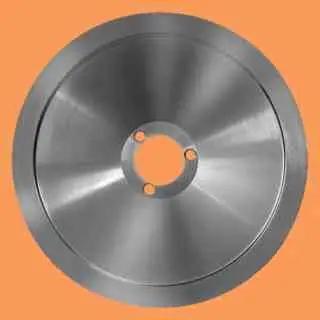
blade for slicer 220 diameter 22cm three hole central hole 40mm c45 rgv and other brands
BLADE FOR SLICER? 220/40/3/180 / 15,5 C45 FOR ABO - KOLOSSAL - OMAS -VAN DALL
(E) Diameter Blade 220
(V) Hole Number 3
(F) Dim. Central Hole 40
(H) Blade height (thickness) 15.5
(I) Internal blade size (cap) 180
VISIT THE BLOG FOR MORE INFORMATION
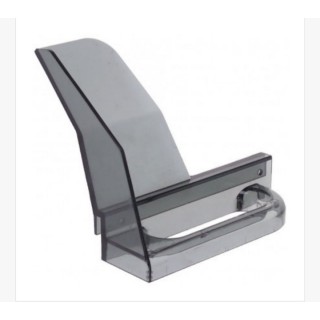
hand protection slicer fac and swedlinghaus model 195 220 250r 250e
Carriage hand guard for FAC and Swedlinghaus gravity-feed slicers, models 195 / 220 / 250R / 250E, CE and CE domestic versions. Safety shield between the hand and the blade during slicing: mandatory component, to be replaced if broken or missing. Hole centre distance 14.9 cm (measurement to check for compatibility). Specific to FAC/Swedlinghaus, not interchangeable with RGV models.
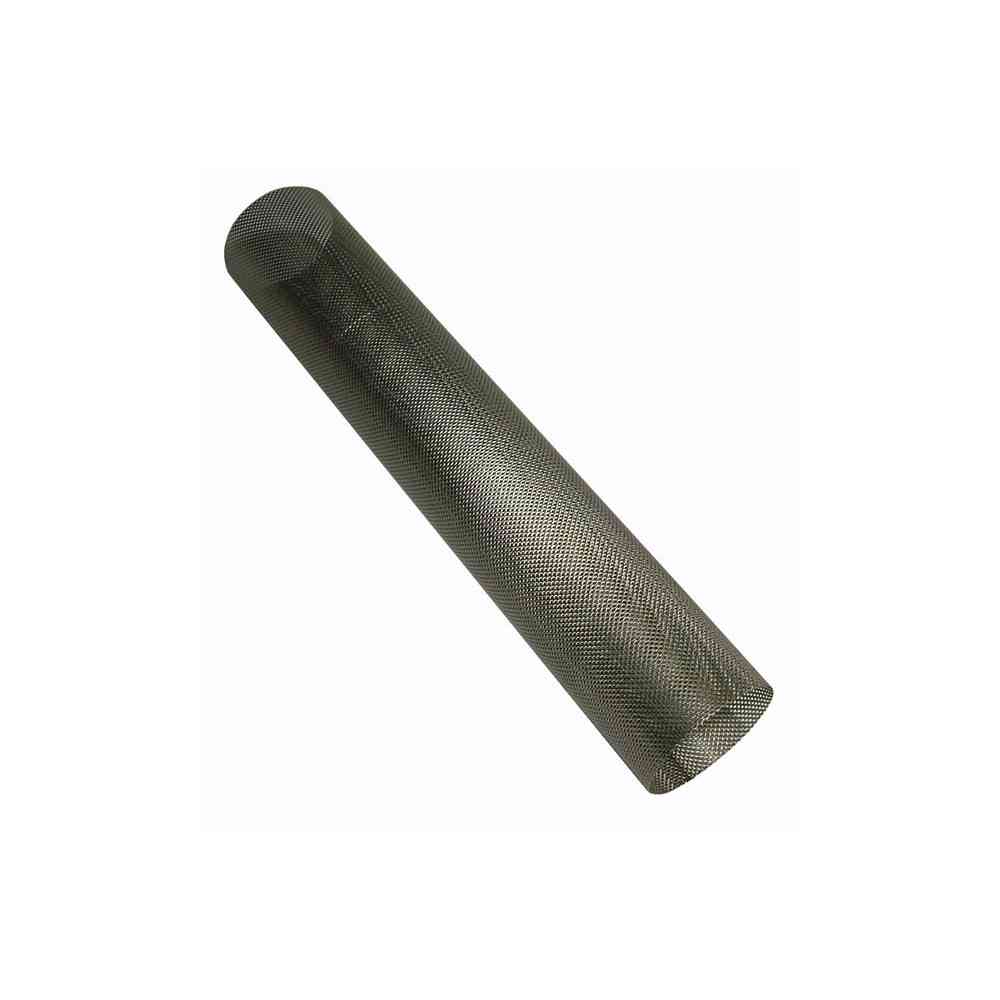
aisi 304 stainless steel filter diam. 17 mm lower for 2 taps softener
AISI 304 stainless steel filter, Ø17 mm, lower, for 2-tap water softeners: retains the resin and filters the outgoing water, ref. 6.001.035.
The AISI 304 stainless steel filter, Ø17 mm, lower, is the filtering component made of stainless steel for the lower position of the resin tank, on 2-tap water softeners (ion-exchange resin systems), ref. 6.001.035. Unlike the PVC version, this filter is made entirely of AISI 304 stainless steel: a corrosion-resistant material, suitable for prolonged contact with water and resin, and more hygienic over time than plastic.
Fitted at the bottom of the cylindrical tank, the filter retains the ion-exchange resin inside the vessel, preventing it from rising or escaping during regeneration and service cycles, while letting filtered water flow through to the lower tap. It is a specific spare part for 2-tap softeners, with a diameter of 17 mm.
The filter should be replaced when it becomes clogged with debris and impurities, when resin leakage is noticed in the outgoing water, or in the presence of corrosion or deformation of the filtering mesh, which would compromise its seal and filtering effectiveness.

Specific References
- MPN
- AGWS-689
Customers who bought this product also bought:
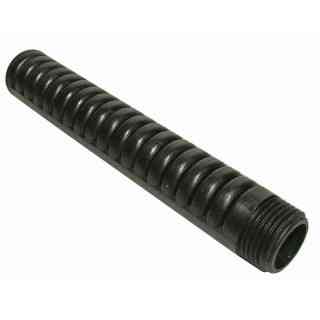
pvc diffuser filter for lower and upper softener tap
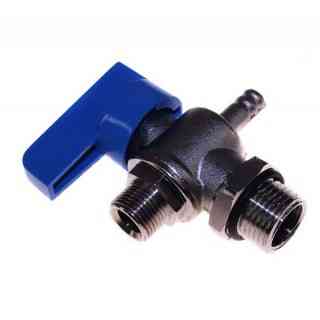
water softener tap series ad 1/2 3/8
Water softener valve: 1/2" female inlet and outlet, with 3/8" male fitting (series 3/4).
AISI 304 stainless steel filter, Ø17 mm, lower, for 2-tap water softeners: retains the resin and filters the outgoing water, ref. 6.001.035.